
Content strategy and AI search are reshaping how brands earn visibility and trust.
I help companies build the systems, narratives, and content programs to win both.
Content That Earns Authority. Strategies That Compound.
The search landscape is changing fast. AI-generated results, LLM-driven discovery, and generative engines are reshaping how brands earn visibility and trust. I build content strategies, search-first frameworks, and editorial programs that perform in both traditional and AI-driven environments.
If you’re looking for a senior content marketing leader who can set the strategy, personally produce the work, and drive measurable growth, let’s talk.
Who I Am
I’m a content strategist, SEO practitioner, and AI search specialist with 15+ years of experience building content programs that earn authority, drive organic growth, and move audiences toward action.
My background is unconventional. I spent a decade as an educator, building curriculum, managing programs, developing systems for complex outcomes with limited resources. That foundation gave me something most marketers don’t have: a genuine instinct for how people learn, what earns trust, and how to build a process that scales without losing quality.
Over the past seven years, I’ve applied those instincts to content marketing and search strategy, running programs for B2B, healthcare-adjacent, legal, industrial, nonprofit, and e-commerce clients through my agency work at Cannonball Digital (formerly Clixable). Along the way, I became an early practitioner of Generative Engine Optimization and Answer Engine Optimization, building content architectures that earn visibility in AI-driven search environments before most practitioners recognized those environments existed.
I’m currently seeking senior and director-level roles in content marketing, content strategy, SEO/GEO/AEO, and GTM strategy where I can bring strategic ownership, hands-on craft, and a track record of measurable results to a team building something worth talking about.
Results That Speak
600%
Year-over-year organic traffic growth for a specialty construction client through pillar content strategy and consistent social execution
374
New keyword rankings built from a brand-new blog in under 90 days for an industrial supply client
250%+
Social following growth on a single platform, with a new platform presence built from zero for a patient-advocacy nonprofit
400%+
Organic traffic increase for a legal and clinical technology client through technical thought leadership and AI-search-optimized content architecture
50%
Growth in educational program participation for a healthcare-adjacent nonprofit through social media and email strategy
These results weren’t driven by large budgets. They were driven by the right strategy, built around the right content, structured for the way search actually works today.

What I Do:
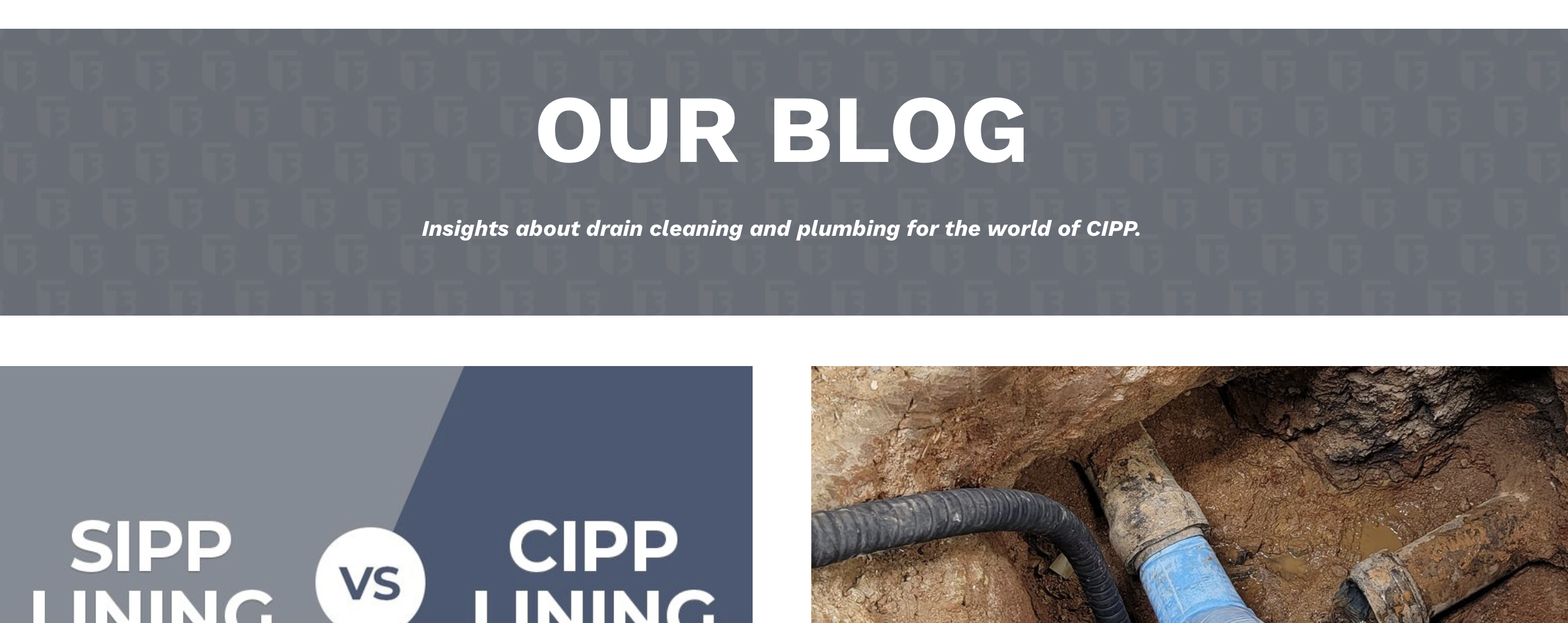
I set the narrative direction, build the content roadmap, and personally produce the flagship pieces that anchor a brand’s authority while building the editorial systems that keep quality consistent as programs scale. This includes pillar content architecture, thought leadership programs, and content ecosystems designed for compounding returns over time.
I’ve been building search-optimized content for 15 years, and I’ve been building for AI-driven discovery environments since early 2023. That means going beyond keyword targeting to structured answers, topical authority frameworks, entity optimization, and intent-aligned content hierarchies. My content regularly earns featured snippets, AI overview inclusions, and LLM citations alongside traditional first-page rankings.
I develop content strategies aligned to go-to-market objectives, connecting campaign moments, product launches, and sales enablement to a unified narrative that supports pipeline goals across the buyer journey. I’m experienced in translating complex, technical products and solutions into content that moves sophisticated buyers.
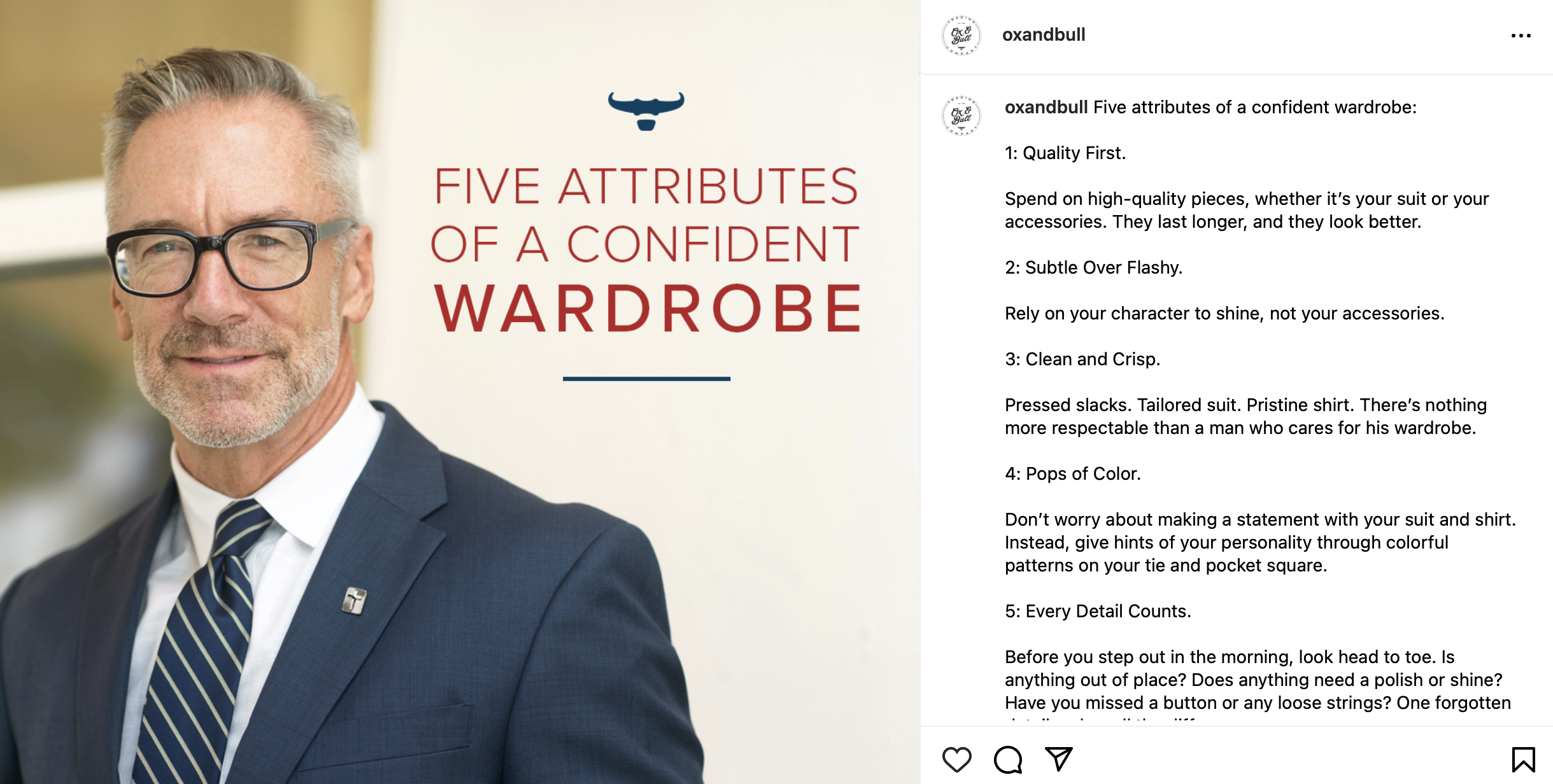
I build organic social programs grounded in audience-first thinking, platform-native content, and community engagement protocols, not vanity metrics. My social work spans healthcare, legal, B2B, and e-commerce clients, with measurable outcomes in community growth, program participation, and conversion.
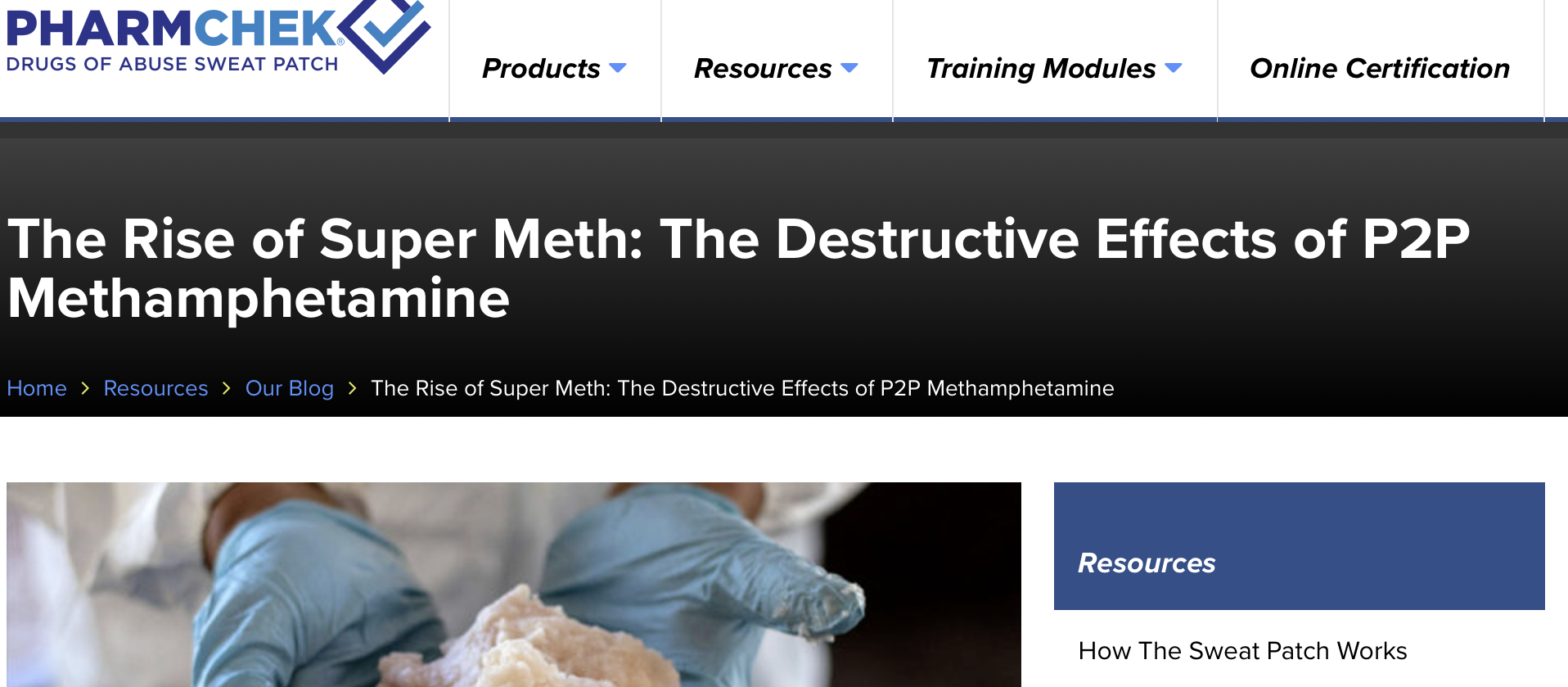
My strongest work lives at the intersection of complexity and clarity. I write about drug court policy, renewable energy infrastructure, construction technology, drug testing science, and speech-language pathology. And I make all of it readable, credible, and worth sharing. That capacity to absorb difficult subject matter quickly and render it accurately is one of the things I’m most proud of professionally.
Industries I’ve Worked In
B2B SaaS and technology | Specialty construction and trades | Renewable energy and infrastructure | Legal and clinical compliance | Healthcare-adjacent nonprofits | Industrial supply | Lifestyle and e-commerce | Education and professional development
Currently Open To
I’m actively exploring senior and director-level roles in:
I work best in B2B environments, particularly SaaS, fintech, healthcare, and technical verticals, where the subject matter is complex, the buyers are sophisticated, and the content actually has to earn its place. Remote preferred.
Connect on LinkedIn | See My Portfolio
Building content that earns authority in traditional search, AI-generated results, and everything in between.
Social Media Strategy